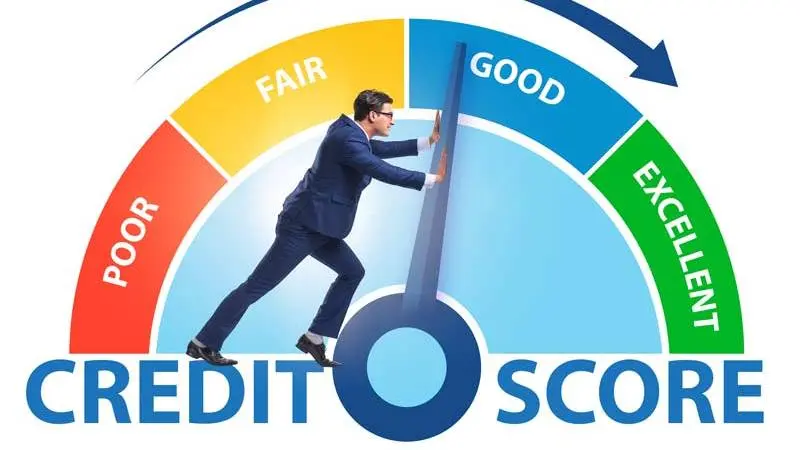
A good credit score serves as a gateway to a world of opportunities. It paves the way for favorable interest rates on loans, savings on insurance premiums, and enhanced prospects for renting or purchasing a home.
If your credit score isn’t currently where you want it to be, take solace in the fact that there are actionable steps you can take to improve it. This article aims to provide you with valuable tips and strategies to boost your credit score and unlock the potential benefits it brings.
Understanding Your Credit Score
Your credit score is a numerical representation of your creditworthiness, typically ranging from 300 to 850, with higher scores denoting lower credit risk. The most common credit scores in the United States are FICO Scores and VantageScores.
These scores are calculated based on the information in your credit report, including your payment history, credit utilization ratio, length of credit history, credit mix, and recent applications for credit.
Your payment history and credit utilization ratio are the most significant factors, so they’re good places to start when trying to improve your score.
Tips and Strategies to Boost Your Credit Score
Review Your Credit Reports
Start by getting a copy of your credit reports from the three major credit bureaus: Experian, Equifax, and TransUnion. You can request a free report from each bureau every 12 months through AnnualCreditReport.com.
Thoroughly examine your credit reports to identify any errors or fraudulent activities that might be adversely affecting your credit score. Should you come across any inaccuracies, it is important to promptly dispute them with the respective credit bureau. By taking this proactive step, you can ensure that your credit score accurately reflects your financial history.
Pay Your Bills On Time
Paying your bills on time is paramount for maintaining a good credit score. Your payment history holds considerable weight in determining your creditworthiness.
To ensure you’re on the right track, it’s essential to make timely payments for all your financial obligations. This includes not only credit card bills but also rent or mortgage payments, utility bills, and any other debts you may have.
If you struggle with remembering due dates, consider employing reminders or automating your payments to stay on top of your financial commitments. By consistently paying your bills on time, you establish a solid payment history that positively impacts your credit score and demonstrates your financial responsibility.
Lower Your Credit Utilization Ratio
The credit utilization ratio denotes the proportion of your available credit that you’re presently utilizing. To enhance your credit score, it’s advisable to strive for a utilization ratio below 30%. Achieving this can be accomplished by paying off outstanding debt, maintaining low balances, and refraining from closing old credit cards, as doing so reduces your available credit.
Establish a Long Credit History
The duration of your credit history holds significant weight in determining your credit score. If you are new to credit, it is essential to exercise patience and continue using credit responsibly. For individuals with longstanding credit accounts, it is advisable to keep them open, as doing so extends the length of your credit history. By following these practices, you can positively impact your credit score over time.
Maintain a Mix of Credit Types
Maintaining a diverse range of credit, encompassing credit cards, auto loans, and mortgages, can have a favorable effect on your credit score. Nonetheless, it’s crucial to note that pursuing various forms of debt solely to enhance your credit score is not advisable. It is essential to exercise prudence and only assume debt that you can comfortably repay.
Limit Hard Inquiries
Applying for new credit results in a hard inquiry on your credit report, which can slightly lower your credit score. While one or two inquiries won’t have a significant impact, a lot of hard inquiries in a short time can. To protect your score, only apply for new credit when you really need it.
Consider Credit Repair Services
If you’re feeling overwhelmed, consider seeking help from a reputable credit repair service. These companies can help you dispute errors on your credit report and offer advice on ways to improve your credit score.
However, be wary of companies that promise quick fixes for your credit; improving your credit score takes time and there are no shortcuts.
Conclusion
Improving your credit score is a marathon, not a sprint. It takes time, patience, and consistent financial habits.
But with diligence and discipline, you can boost your credit score and unlock the benefits of good credit. Remember, your credit score is not set in stone; it’s something you have control over, and with the right steps, you can see it improve over time.