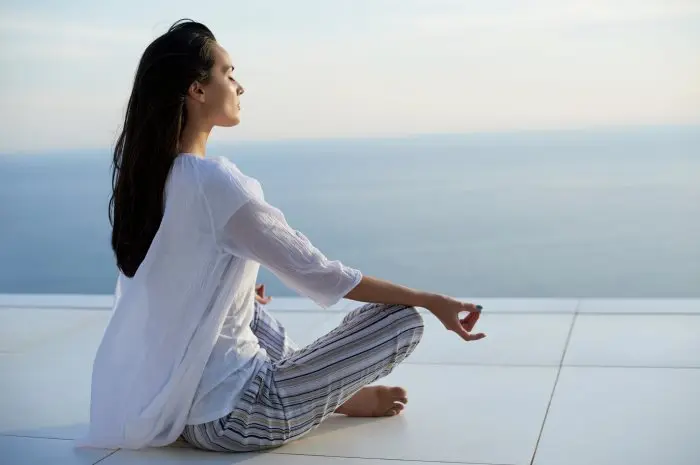
In the contemporary, high-speed realm we inhabit, where the pressures of work, family responsibilities, and the rigors of everyday existence often converge to overwhelm us, attaining mental clarity and well-being has risen to the forefront of our priorities. The incessant influx of information, distractions, and stressors can exact a toll on our mental health.
This is where meditation, an ancient practice with profound modern-day relevance, comes into play. In this article, we’ll explore the role of meditation in achieving mental clarity and overall wellness.
Understanding Meditation
Meditation is a practice that involves training the mind to focus and redirect thoughts. While it has deep roots in spiritual and religious traditions, meditation has evolved into a secular practice accessible to people from all walks of life. There are various meditation techniques, but they all share the common goal of cultivating mindfulness and inner peace.
The Science of Meditation
In recent years, scientific research has shed light on the tangible benefits of meditation on mental health and overall well-being. Here are some key findings:
1. Reducing Stress
Stress is a ubiquitous part of modern life, and chronic stress can have a detrimental impact on mental and physical health. Meditation has been shown to reduce the production of stress hormones like cortisol, leading to a decrease in stress levels. Regular meditation practice can help individuals better manage stress and its associated symptoms.
2. Enhancing Emotional Well-Being
Meditation is a powerful tool for improving emotional regulation and well-being. It allows individuals to develop greater awareness of their emotions and cultivate a sense of equanimity. This can lead to reduced symptoms of anxiety and depression, as well as increased overall happiness and contentment.
3. Boosting Cognitive Function
Meditation can have a positive impact on cognitive function, including improved attention, memory, and cognitive flexibility. This is particularly beneficial in today’s information-driven world, where multitasking and constant distractions can hinder cognitive performance.
4. Promoting Mindfulness
Mindfulness is the practice of being fully present and engaged in the moment, without judgment. Meditation is a powerful tool for developing mindfulness, which can lead to greater self-awareness and improved decision-making. It also fosters a deeper appreciation of life’s small moments.
5. Improving Sleep
Many individuals struggle with sleep disorders or poor sleep quality, which can exacerbate mental health issues. Meditation techniques like mindfulness meditation have been shown to improve sleep patterns and help individuals fall asleep more easily and stay asleep longer.
6. Reducing Symptoms of PTSD
Post-Traumatic Stress Disorder (PTSD) can have a profound impact on mental health. Meditation has been studied as a complementary therapy for individuals with PTSD, and research suggests that it can help reduce symptoms, including intrusive thoughts and emotional distress.
Practical Meditation Techniques
While there are numerous meditation techniques, here are a few practical methods that can be incorporated into your daily routine:
1. Mindfulness Meditation
Mindfulness meditation involves paying attention to the present moment, including your thoughts, feelings, and sensations, without judgment. It often begins with focusing on the breath and gradually expands to include a broader awareness of the body and surroundings.
2. Guided Meditation
Guided meditation is led by an experienced meditation practitioner or teacher. It involves listening to verbal instructions that guide you through a specific meditation practice. Guided meditations are widely available through apps, online platforms, and meditation classes.
3. Transcendental Meditation
Transcendental Meditation (TM) is a specific technique that involves silently repeating a mantra. TM practitioners report deep relaxation, reduced stress, and increased clarity of thought.
4. Body Scan Meditation
Body scan meditation involves mentally scanning your body from head to toe, paying attention to any tension or sensations. It can help you become more attuned to bodily sensations and release physical tension.
5. Loving-Kindness Meditation
Loving-kindness meditation, also known as Metta meditation, focuses on generating feelings of love and compassion for oneself and others. It can enhance feelings of empathy and kindness towards oneself and others.
Incorporating Meditation into Your Daily Regimen
Integrating meditation into your everyday schedule doesn’t necessitate extensive time commitments. Even dedicating a few minutes each day to meditation can yield substantial benefits. Here are some recommendations to commence your practice:
- Allocate dedicated time: Designate a specific time each day for meditation, whether it’s in the morning, during a lunch break, or before bedtime.
- Foster a tranquil setting: Seek out a serene and comfortable environment for your meditation practice. You can choose to sit on a cushion, a chair, or even lie down if that enhances your comfort.
- Commence with brief sessions: Initiate your meditation journey with short sessions, such as 5-10 minutes, and gradually extend the duration as you become more at ease.
- Utilize guided meditations: If you’re new to meditation, contemplate utilizing guided meditation applications or recorded sessions to assist you in getting started.
- Practice patience: Meditation is a skill that matures with time. It’s natural for thoughts to meander; the crucial element is to gently steer your focus back without self-censure
Conclusion
Meditation is a valuable tool for achieving mental clarity and overall wellness in our fast-paced and often stressful world. Its benefits extend to reducing stress, enhancing emotional well-being, improving cognitive function, promoting mindfulness, and even aiding in better sleep. Incorporating meditation into your daily routine, even for just a few minutes, can yield significant benefits for your mental health and overall quality of life. By embracing meditation as a practice, you can foster a greater sense of inner peace, resilience, and mental clarity.